
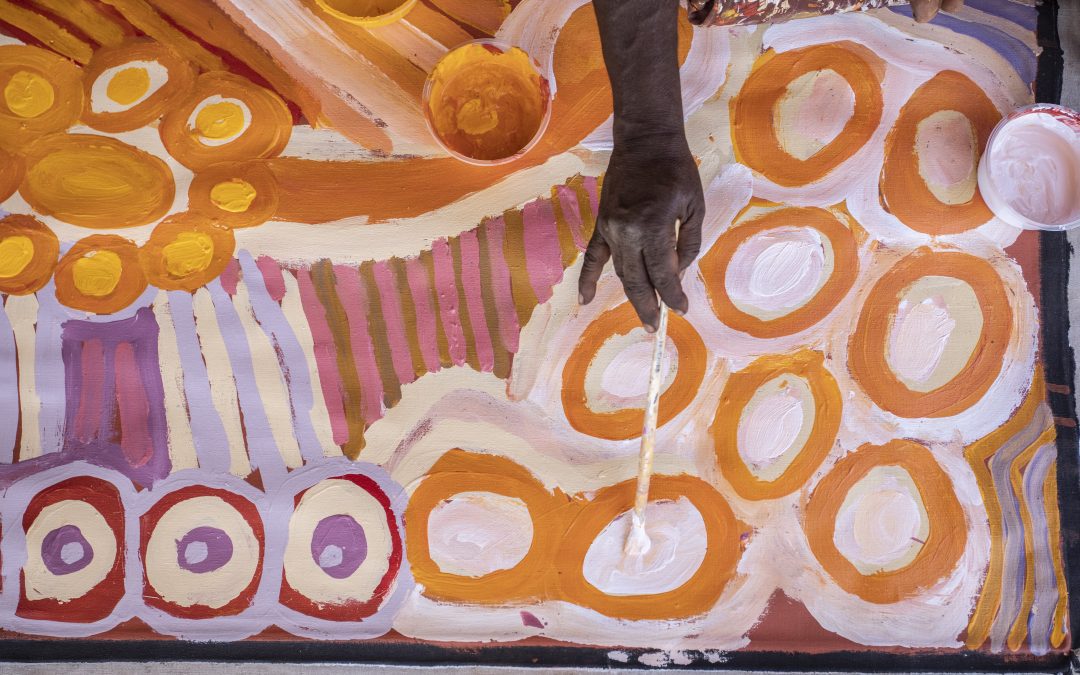
Adding an Aboriginal or Torres Strait Islander artwork to your collection – and living with it on a daily basis – is a truly incredible experience.
But for the uninitiated, buying First Nations work ethically can be a bit of a minefield. So, how can you know you’re buying Aboriginal and Torres Strait Islander art in an ethical way, and that the artist and their community are the ones benefiting from your purchase?
Presenting the questions you should always ask when buying Australian Indigenous art.
Words by Camilia Wagstaff
Cover image: Artist at work on Country, Photography Meg Hanson, Image Courtesy of Ninuku Arts
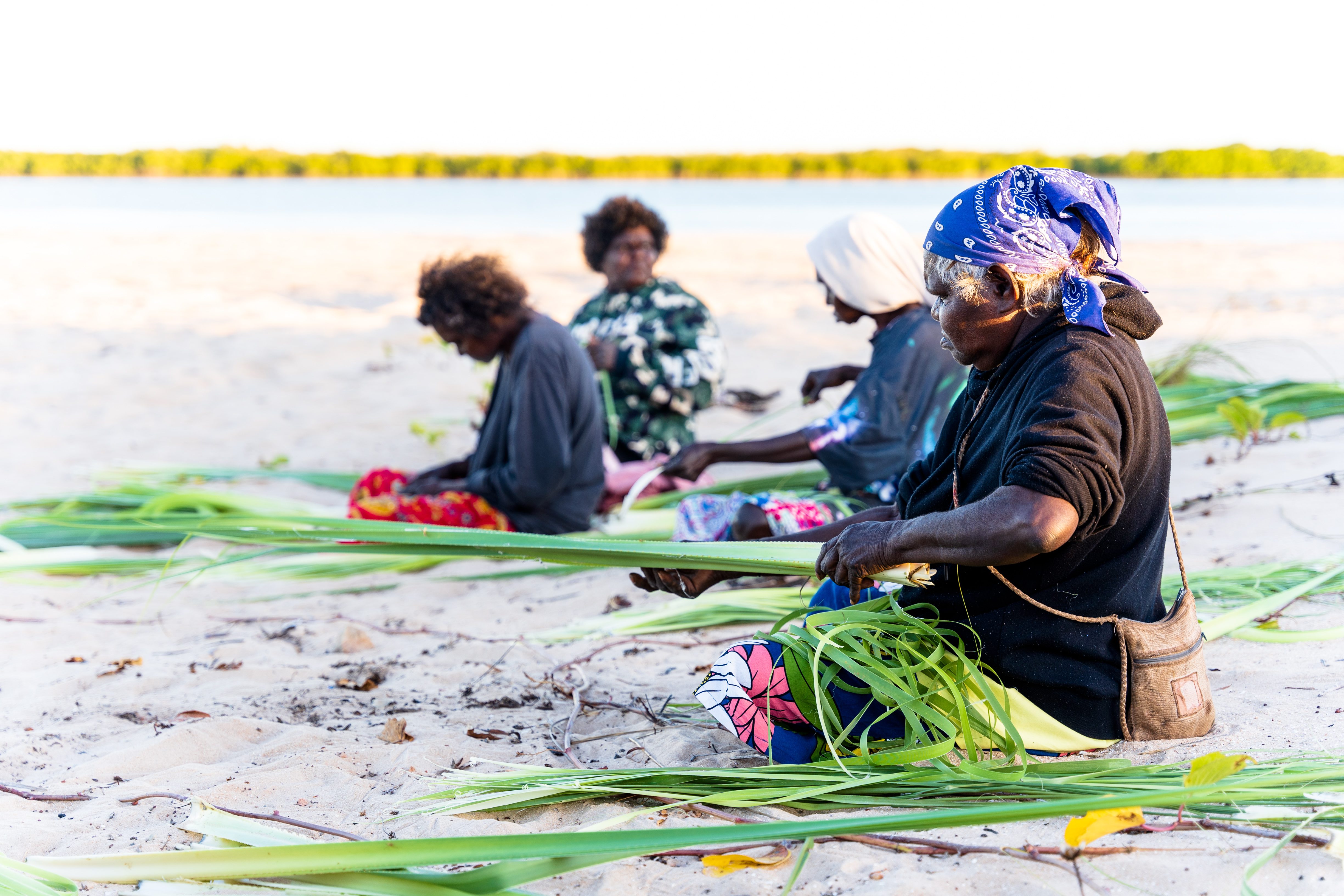
Image above: L-R Virginia Wilfred, Megan Wilfred, Jocelyn Wilfred and Joy Wilfred weaving on Country, Image courtesy of Numbulwar Numburindi Arts.
Who is the artist? Where is the artist from?
“Buying art ethically means sustaining the livelihoods of Indigenous artists through a system of fair and transparent conduct,” says Chad Creighton CEO at the Art Centre Peak Body, Aboriginal Art Centre Hub Western Australia (AACHWA).
“In many Aboriginal and Torres Strait Islander communities, art sales are the main source of income that sustains them. Knowing details about the artist, the artwork and community ensures a deeper connection between buyer and artist but also a connection to their heritage and culture.”
Often the best way to ensure you’re buying ethically is to go through an Aboriginal owned and operated Art Centre, or a gallery or art fair (like DAAF) that works directly with Art Centres. Art Centres are professional making studios that support Indigenous practitioners in the production and sale of their work.
When you buy an artwork from a reputable Art Centre, you can be certain your funds going back to the artist, with a small portion is invested back into the Centre for operational costs and community programs.
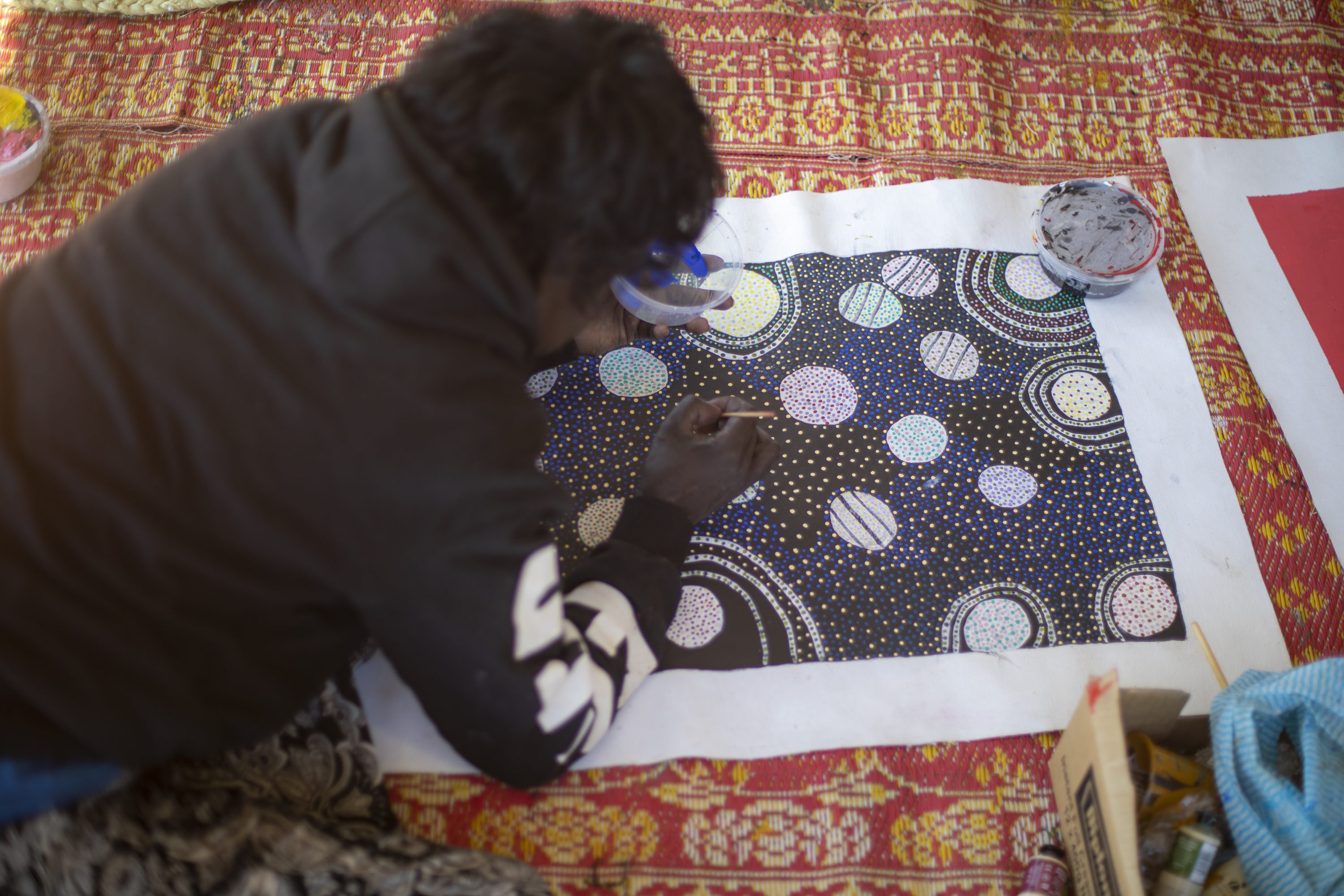
Image above: Durrmu, Madeline Maloney, Acrylic on canvas, 2023, 30 x 40cm, Image Courtesy of Durrmu Arts
Is the art authentic? Can you prove its provenance?
In Aboriginal and Torres Strait Islander art, provenance is all about knowing the history of ownership of the artwork. Proof of provenance includes documentation such as a certificate of authenticity and other documentation, such as receipts, that demonstrate the various owners of an artwork since it left the possession of the artist.
Insist on an authentication certificate, says Chad.
“Any piece of art from an Art Centre or gallery (that sources from Art Centres with a price tag of $250 or more) should come with an official Art Centre authentication certificate. These certificates provide art lovers and buyers with high levels of confidence in both provenance (a record of ownership) and fair payment of the artist.”
How did the artwork come to your business?
Buying from a gallery or shop? Most ethical dealers are open about their business models, so don’t be afraid to grill them, says Indigenous Art Code CEO Gabrielle Sullivan.
“Artists have a right to know the ‘money story’ for their art, and buyers can ask too.”
You want to know how long the business has been in operation, and if it suddenly appeared from nowhere, where they were operating before. Ethical galleries and dealers should also be willing and able to answer questions about the artist, how long they’ve been working with them or their Art Centre, how much of the sale price goes back to them and how it gets there.
Gabrielle also suggests trusting your gut.
“If the individual or business is evasive about an artwork’s provenance or their relationship with the artist, it may be a signal to walk away.”
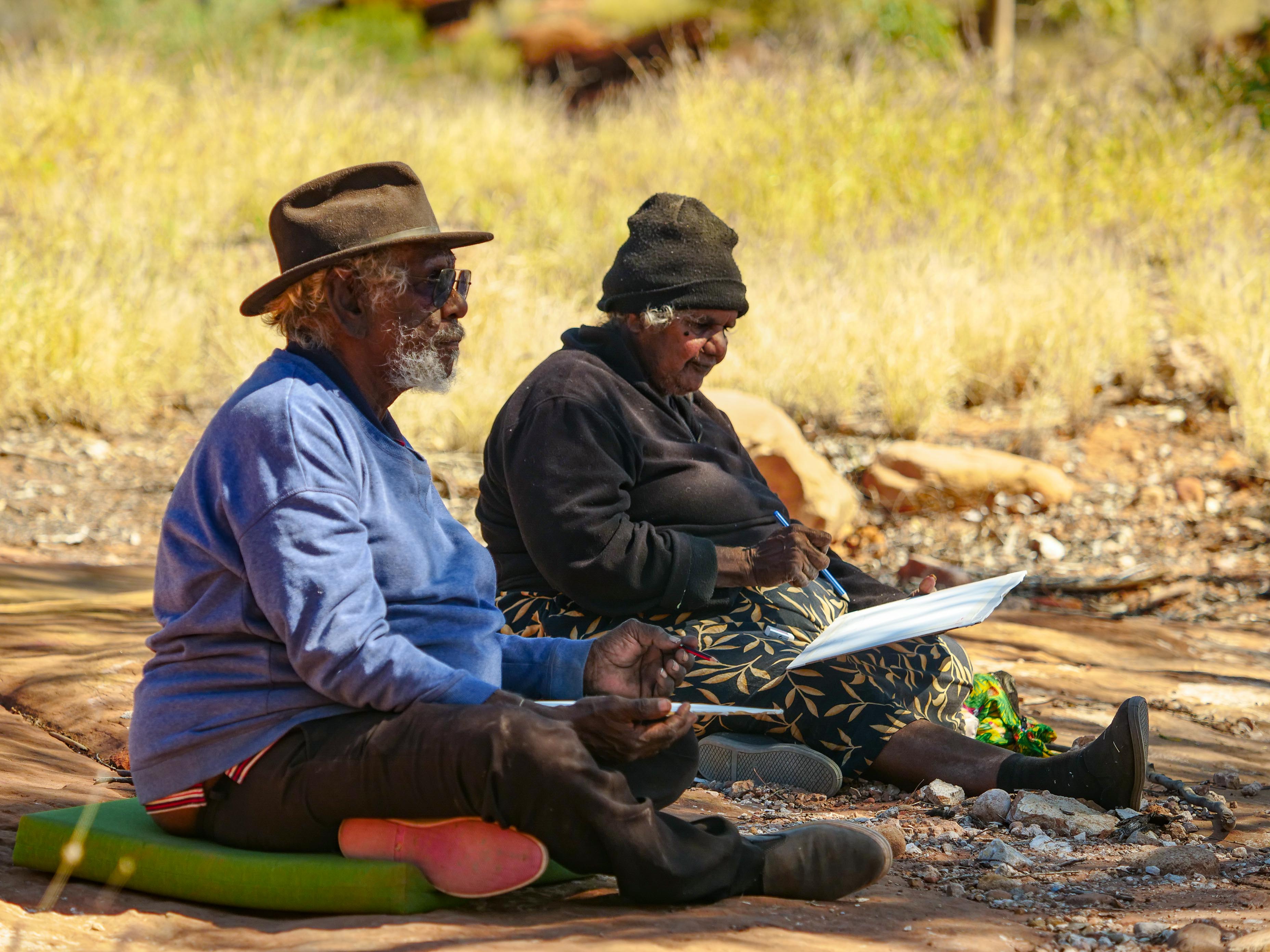
Image above: Betty Namatjira Wheeler and Marcus Wheeler, Photographer Pin Rada, painting on Country at Kuprilya, NT, Image Courtesy of Iltja Ntjarra
Is your gallery a member of the Indigenous Art Code?
It is always good to check to see if a Gallery is a member of the Indigenous Art Code. This lets you know if it has agreed to follow the Indigenous Australian Art Commercial Code of Conduct.
“When purchasing Aboriginal and Torres Strait Islander artwork or licensed products, the Indigenous Art Code (IartC) recommends always asking the following questions to understand better the relationship between the person selling the artwork and the artist,” says Gabrielle.
- Who is the artist? Where is the artist from?
- How was the artwork or product supplied to the gallery or shop for purchase? Is it on consignment, or does the seller own the artwork?
- How was the artist paid for their work?
- If it is a reproduction of an artist’s work (this might include homewares and textiles), how are royalties or licensing fees paid to the artist?
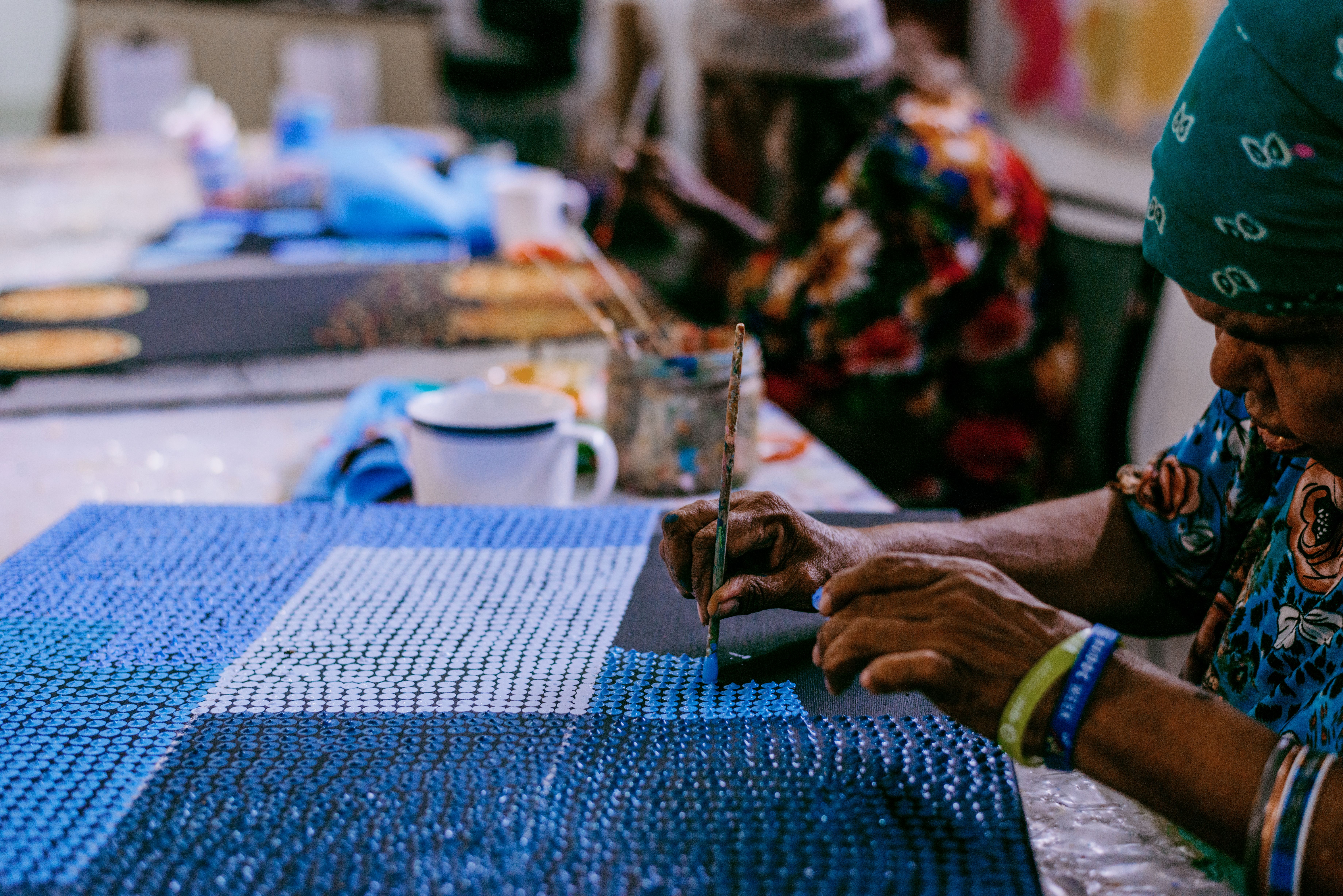
Image above: Artist Maggie Green at Spinifex Hill Studio, Photographer Bobbi Lockyer, 2022, Image courtesy of Spinifex Hill Studio
See you in August!
Save the date for the 17th Darwin Aboriginal Art Fair:
11-13 August 2023
DAAF Foundation needs you!
Join the DAAF Foundation Family today by making a Tax Deductible donation, helping support our Art Centre members, artists and communities throughout the year.
Together we make a difference.
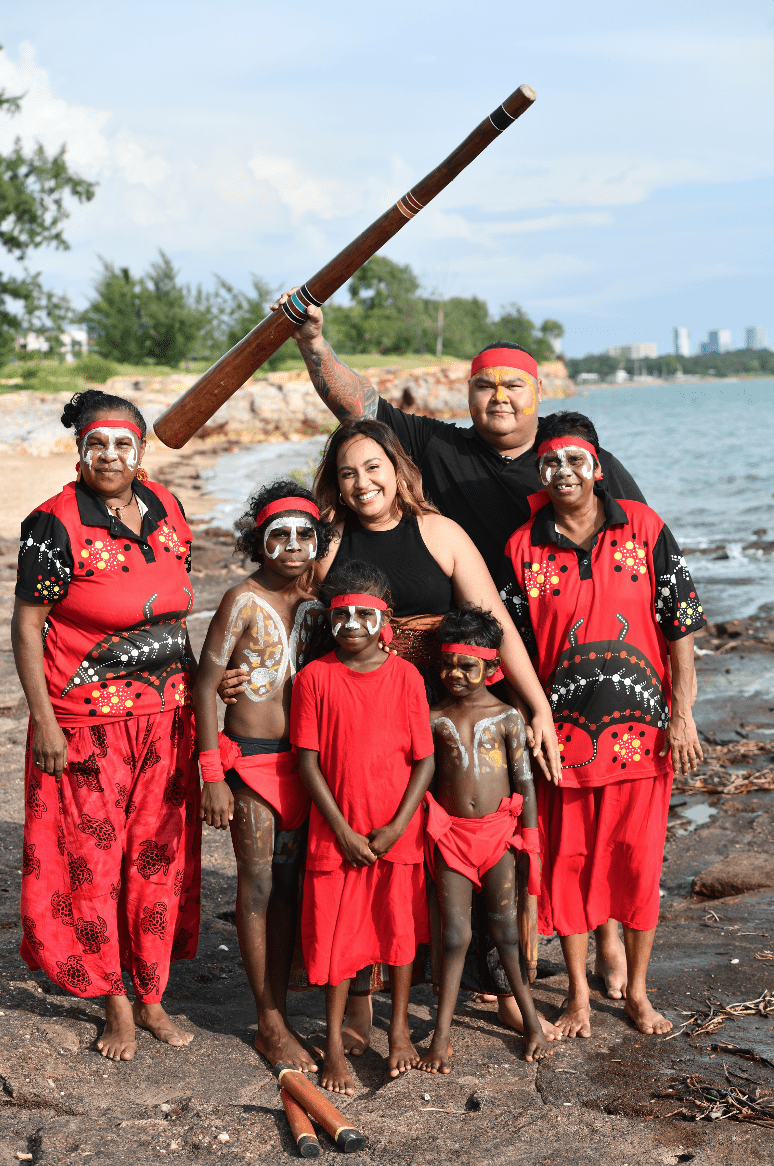
Photo by Wayne Quilliam


