
How to Buy Aboriginal Art Ethically
Ensuring an Aboriginal and Torres Strait Islander art purchase is fair and ethical is a minefield that new collectors must learn how to navigate. Here’s the best way to ensure your new work stacks up to the standards.
WORDS BY Claire G. Coleman | PUBLISHED 2 December 2024

↑ Nagula Jarndu artist block printing. Photo by Michael Torres.
The Indigenous art market in Australia has historically been a place of exploitation. Some non-Indigenous art dealers have, for many years, paid far less for art than that art has been worth and added eye-watering markups to maximise their profits. This practice is so widespread that a word has entered Indigenous English – Carpetbagger – meaning an art dealer who exploits artists for profit.
Yet you want to buy beautiful Indigenous art and you want to make sure it has been produced and acquired ethically. Not buying art benefits nobody. The artists would lose their economic freedom and you would miss out on works of incalculable cultural power. It is important to remember that great Indigenous art is not just a beautiful thing, it’s the documentation of culture.
Ensuring our Indigenous art purchases are ethical, and that the transaction is fair for the artist, is a minefield that could make you freeze up and buy nothing at all. However, work has been done to ensure art purchases are as ethical as possible. There are ways to ensure the artists are getting a fair price for their work and that the work is free of exploitation.
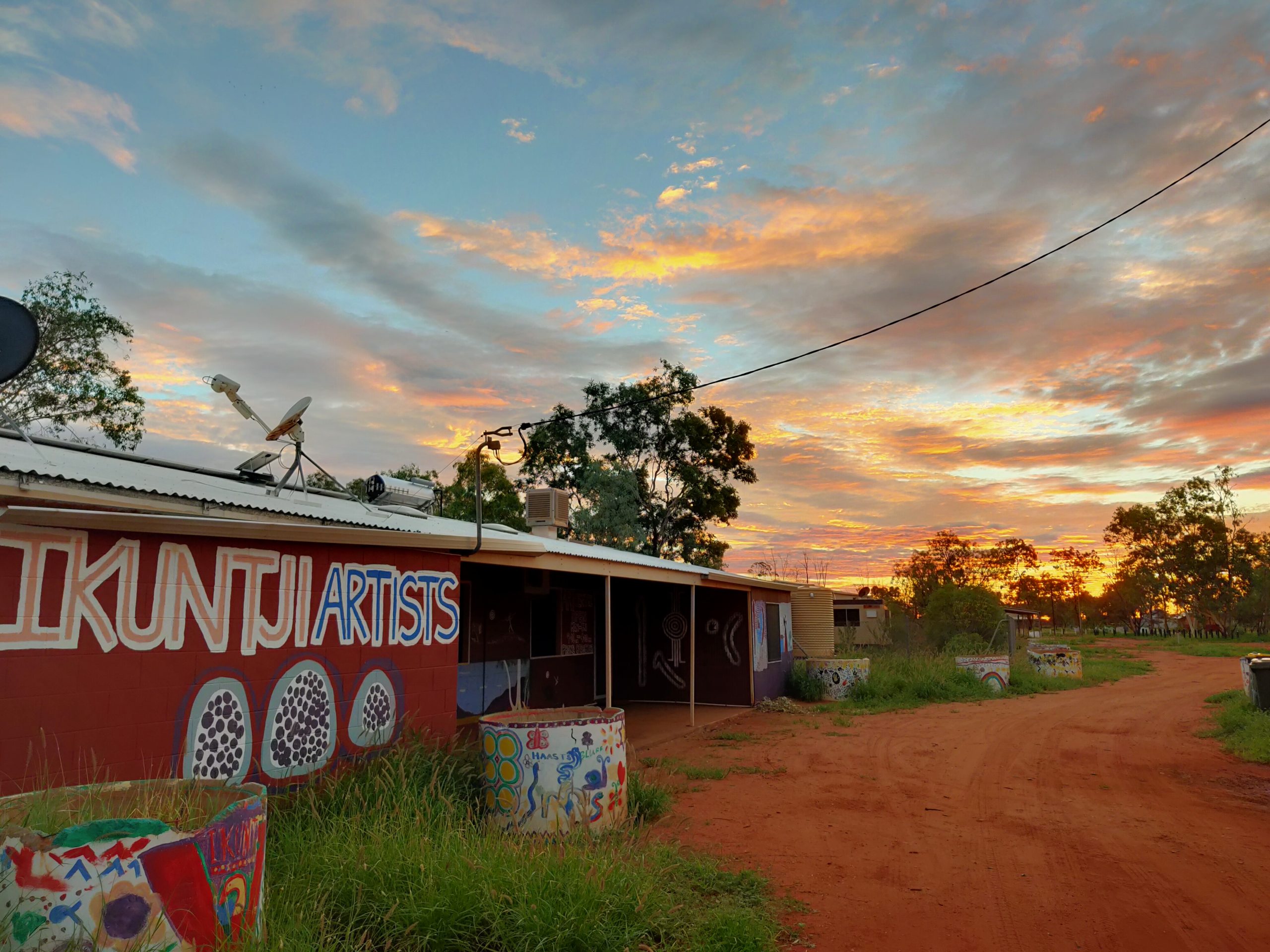
↑ Ikuntji Artists Art Centre - Photographer Chrischona Schmidt.
Art Centres were founded to give Indigenous artists ethical and equitable access to the art market and the economic opportunities that provides. Mostly owned by the Indigenous people in Community, they have Indigenous Boards and sometimes non-Indigenous staff. If you buy art from an Art Centre, you can rest assured you have bought art that was created by the owners of the story and that the artists have received a fair price.
Most Art Centres pay between 60% and 70% of the price to the artists, a fair price and much more than many private art dealers would pay for the same art. As Art Centres are non-profit, the rest of the sale goes to pay staff, purchase resources and keep the lights on. Buying art from an Art Centre can support an entire community as the artists, and other members of the community.
An additional aid to protect collectors against accidental purchases from unethical dealers is the Indigenous Art Code. Signatories to this voluntary code agree to pay a fair price for art and to maintain ethical standards while doing business with Indigenous artists.

↑ Faith Butler. Photo by Rosie Frecheville. Image courtesy of Tjarlirli and Kaltukatjara Art.
As Indigenous Art Code Chair and Quandamooka woman Stephanie Parkin told me: “For Aboriginal and Torres Strait Islander artists, the creation of artworks is more than just the pieces of artwork on the wall. Art is connected to family, Country, culture and ancestors. At the Indigenous Art Code, we want to see artists treated fairly, their artwork valued, and their Indigenous cultural and intellectual property rights respected.”
If a gallery or dealer is a member of Code, they can display the logo in their gallery or on their website. Seeking out galleries who are members of art code will reassure you the art you will purchase is from ethical sources and that the gallery is paying the artist a fair amount for their work.
These two avenues for buying Indigenous art exist to remove most of the risk from art purchasing. By ensuring your art was purchased from an Art Centre (or a commercial gallery that works directly with Art Centres) and looking out for the Code logo on gallery platforms, you are likely doing the right thing by artists and communities. You are also supporting the ability of Indigenous people to remain on community, so your art will be of more value both monetarily and culturally.
When you make the effort to consider ethics and equity when buying Indigenous art, everyone wins. You get better art by artists connected culturally to the story they have painted, and they get a fair deal free from exploitation. And with this comes the chance to support their families and wider communities.

↑ Garry Namponan at Wik & Kugu Arts Centre, Aurukun. Image courtesy of Wik & Kugu Arts Centre.
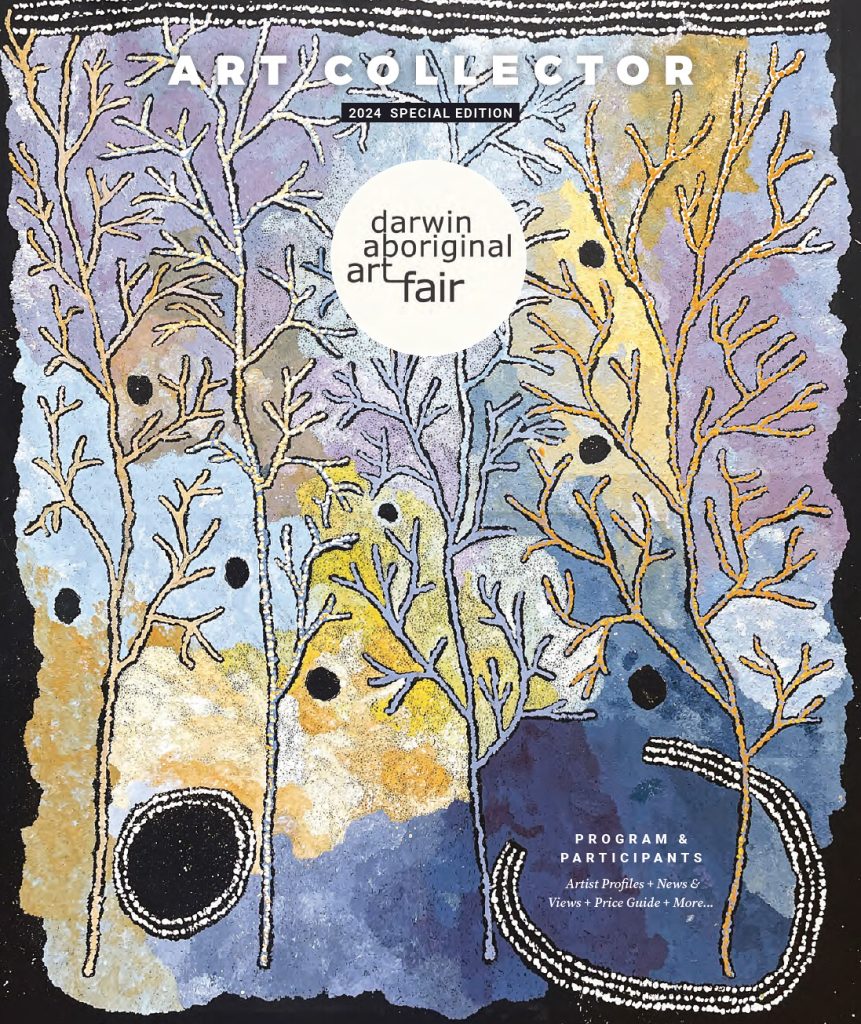
This article originally appeared in the Art Collector 2024 Darwin Aboriginal Art Fair Special Edition, click here to read more.
Cover Art by Betty Mula, 33-24 PunuTjuta, Synthetic polymer on linen, 152 x 122 cm. Courtesy of the Artist and Mimili Maku Arts.
Contributor Claire G Coleman is a Noongar woman whose family have belonged to the south coast of Western Australia since long before history started being recorded. She writes fiction, essays, poetry and art writing while either living in Naarm (Melbourne) or on the road.


