

In a nutshell, Art Centres are professional art making studios that advocate for, support and promote Aboriginal and Torres Strait Islander art practice. But they are also vibrant community hubs where generations can come together to create, share knowledge and learn from one another.
Many Art Centres hold preserving and continuing First Nations culture as a central tenant. The art created here becomes an important means to document, archive and continue stories, to ensure their survival for tens of thousands of years to come. Meet three Art Centres preserving and continuing culture.
Words by Camilia Wagstaff, July 2023
Cover Image: Mundatjŋu Mununggurr, VR, Image courtesy of The Mulka Project.
Juluwarlu Art Group
Juluwarlu Group in Ngurrawaana, on Yindjibarndi country, does incredible work in preserving and continuing culture. Artist, filmmaker, archivist Lorraine Coppin, alongside her partner, Michael Woodley, developed the Juluwarlu Group Aboriginal Corporation and Juluwarlu’s Archive, Language, Media and Cultural Centre in 2000. For more than two decades, the Centre has seen the rise of nationally recognised Yindjibarndi Archive, as well as Juluwarlu’s many Cultural Mapping on Country, Women’s Culture and Language on Country Projects, as well as dictionaries and published books about Country.
Lorraine also hosts cultural awareness camps and teach participants about making shoes out of paper bark, collecting ochre, uses for traditional plants and foods and plant dying.
“One of our people's fundamental values is to preserve and protect our Yindjibarndi culture,” says Lorraine. “We do this by gathering often. It can be to talk about issues arising or a general gathering to share a feast of traditional food and paint together. Either way we are always learning our cultural ways from our elders, which is what enables us to keep it, grow it and share it.
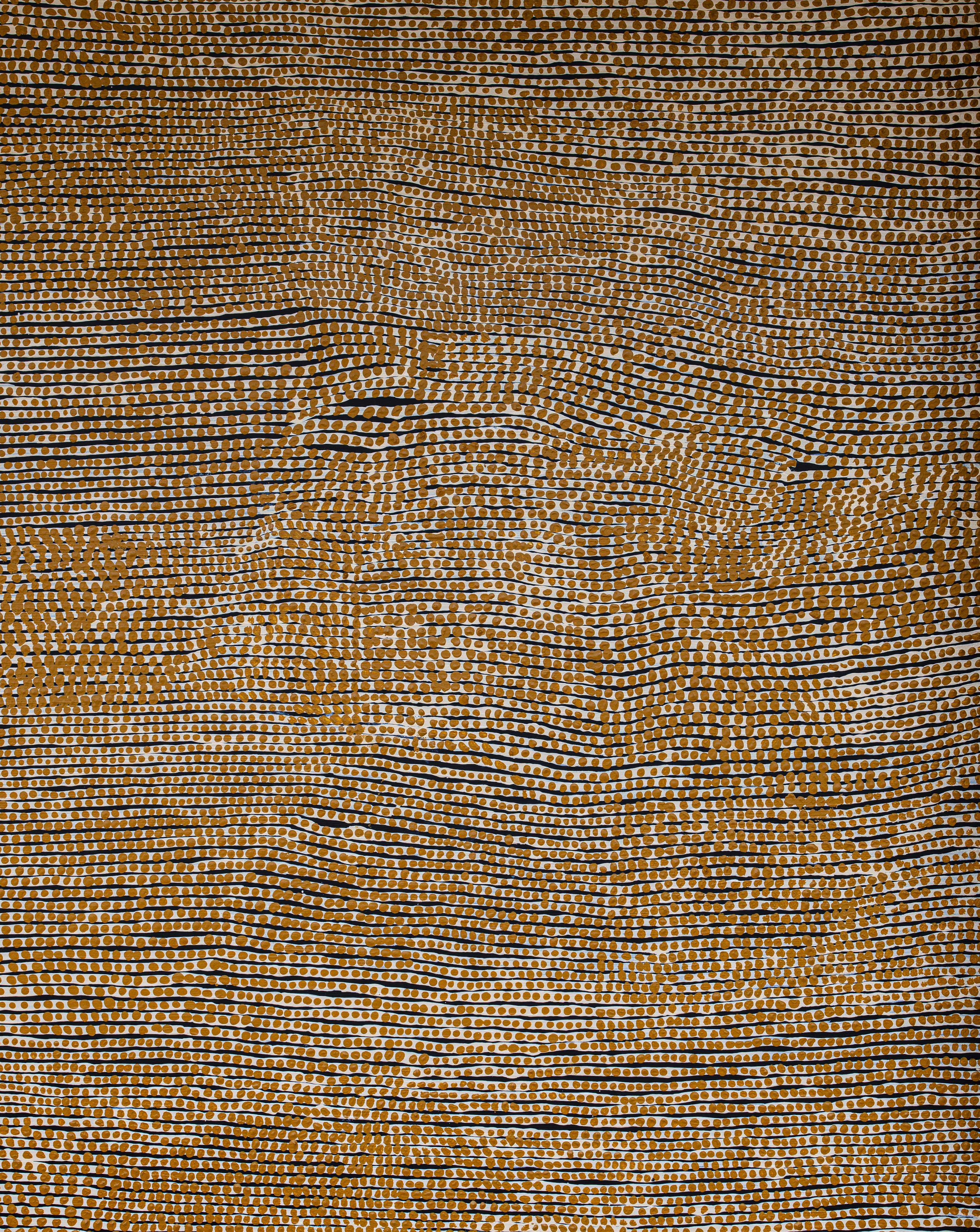
Milky Way, June Moonie Djiagween, Acrylic on Canvas, 2023, 100x117cm, Image Courtesy of Juluwarlu Art Group.
“This structure is one of the things our Art Centre is becoming recognised for, as a community centre of an important places to gather with our elders. The Art Centre provides the services to our community as a place of gathering, sharing knowledge and learning our traditional values and is responsible for maintaining this lifestyle. This is important for sustaining our way of life.”
The Mulka Project

Ishmael Marika, Songline Recording, Image courtesy of The Mulka Project.
In Yirrkala, a small community in the East Arnhem Region, resides the Mulka Project, a production house, digital learning centre and cultural archive managed by Yolŋu law and governance. At its core, The Mulka Project is about building a growing, living record of Yolŋu knowledge, ceremony, and cultural history.
The Mulka Project produces and repatriates audio-visual cultural resources and makes them accessible for the Yolŋu community and beyond. It also provides industry-standard workplace training, employs cultural advisors, film makers, translators, camera operators, editors, artists, and scholars, and creates income streams for Homeland communities.
“We want to bring knowledge of the past to the present,” says Dr. Raymattja Marika AM, The Mulka Project’s Cultural Director. “To preserve it for future generations and to understand what meaning it has in the present day and age.”
Documentation is becoming an important part of the exhibition experience, too.

Gutingarra filming at Ceremony, Image courtesy of The Mulka Project.
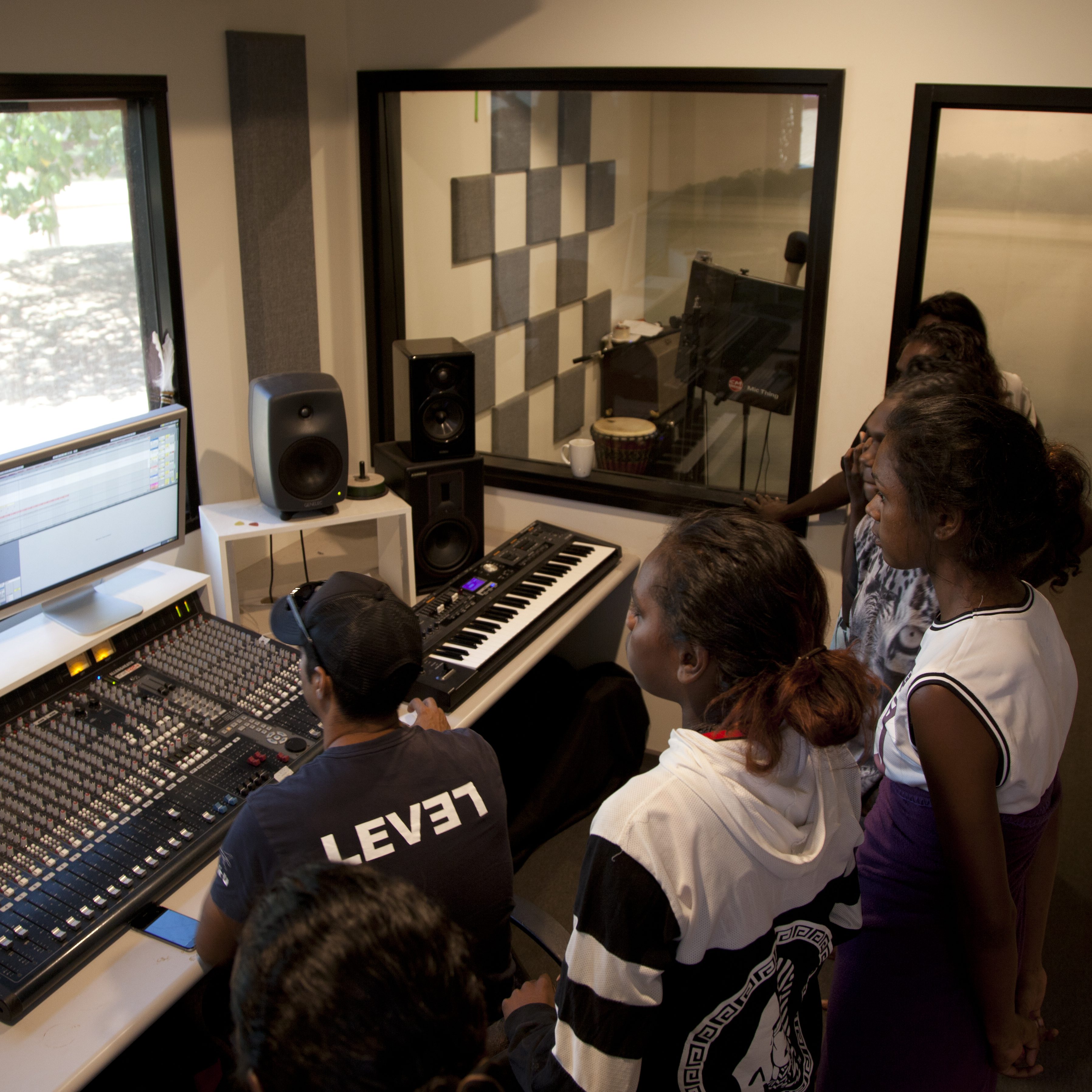
Recording Studio, Image courtesy of The Mulka Project.
Tjarlirli Art
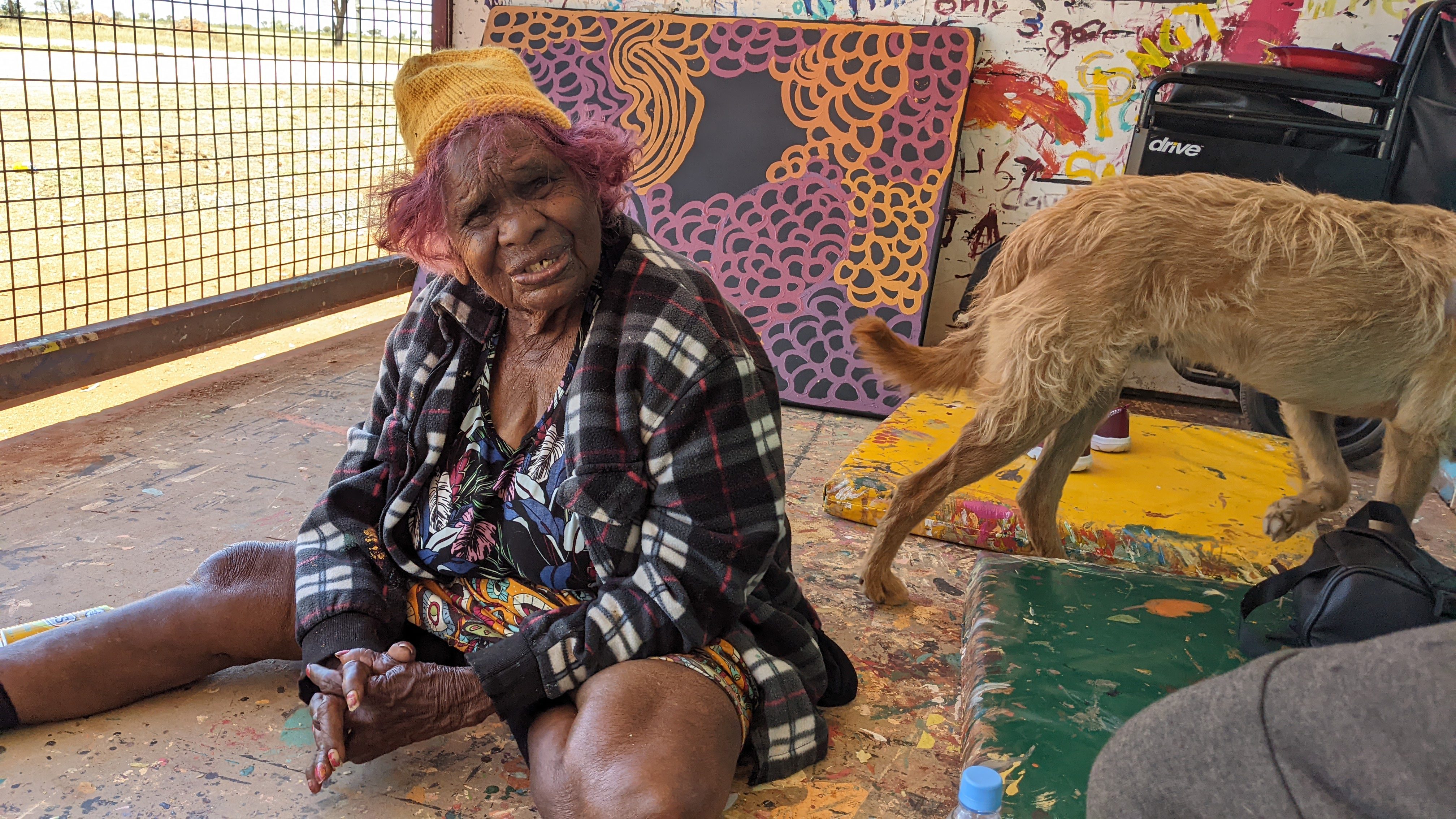
Tjawina Porter at Tjukurla studio, 2022, Photographer Rosie Frecheville, Image Courtesy of Tjarlirli Art.
A recent project by Tjarlirli Art artist Tjawina Porter showcased at RAFT Artspace in Alice Springs celebrates one of the oldest living women in the desert. The major project features a collection of 12 epic paintings each depicting an important site in Tjawina’s Country, with an accompanying film documenting her stories, history and the Tjukurrpa of those sites. It is a culmination of Tjawina's desire to share her knowledge and her family's desire to preserve it.
Nerida Martin, Tjarlirli’s chairperson and Tjawina's niece, says of the project;
"Our Art Centre helps us go to see our Ngurra, our Country, to record stories, to learn from our old people. When we go and see that place, it's real. It's still there, forever. It's important for young people, seeing that Country; listening to the stories our family tell us; seeing what we're doing and learning."


